How Much Time Do Peptides Last In Powder Form: The Full Lyophilized Stability Overview
How Much Time Do Peptides Last In Powder Kind: The Full Lyophilized Security Overview
Scientists working with peptides containing these series must prioritize cold store and minimize direct exposure to raised pH settings. Specific amino acids are hygroscopic, implying they readily soak up wetness from the bordering air. Peptides including aspartic acid, glutamic acid, lysine, arginine, or histidine come under this category. The billed or polar nature of these deposits attracts water molecules.Refrigeration inhabits the middle ground in between area temperature comfort and icy lasting storage space. Recognizing when each technique is suitable assists maximize your storage approach for various circumstances and peptide supplies. Topsy-turvy storage space results in neglected vials and too much handling. Carry out an organization system that tracks supply and minimizes searching through fridge contents.
Typical Storage Errors That Ruin Peptides
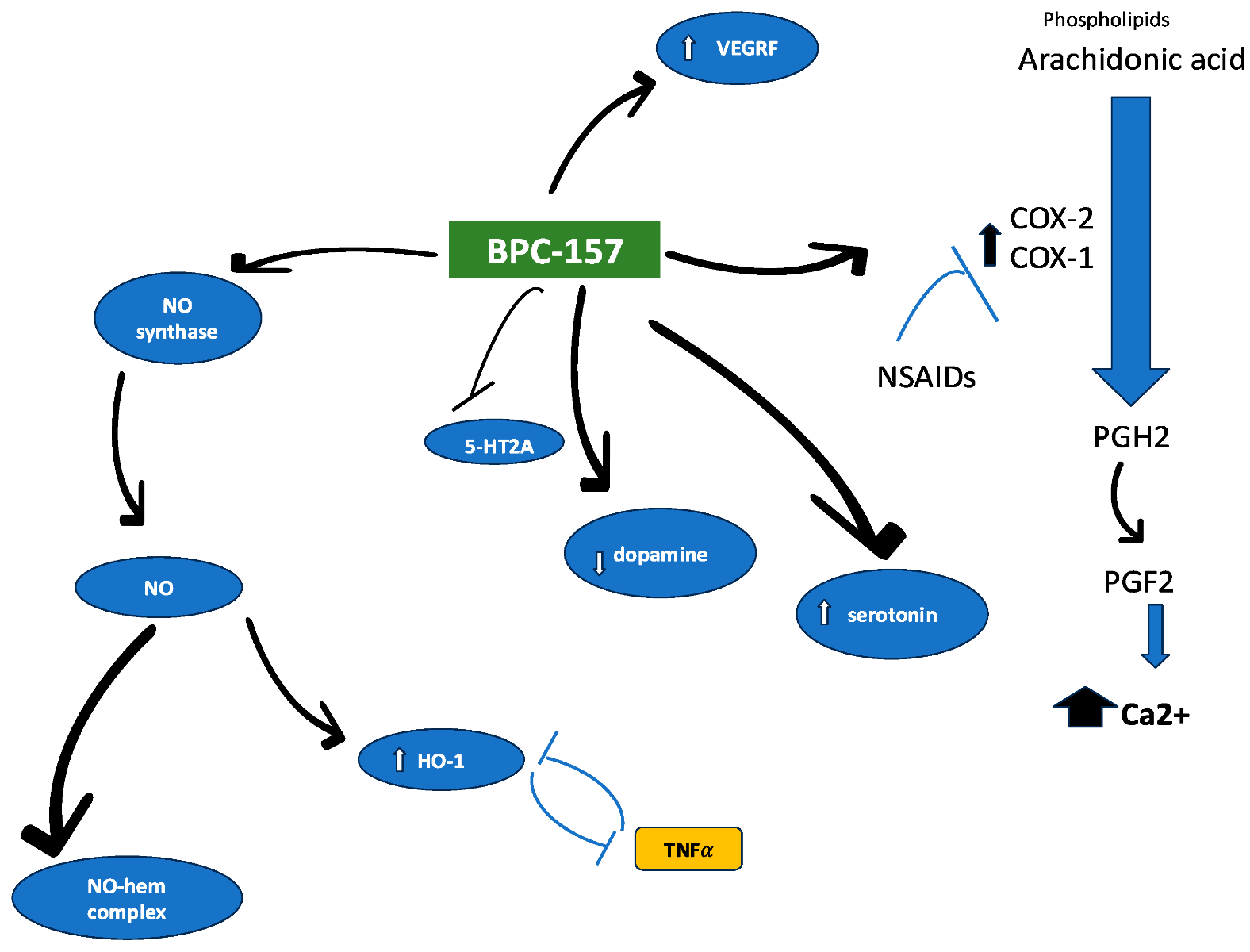
Temperature level, light exposure, and water kind all affect stability. Compose the reconstitution date on the vial tag prior to refrigerating. This is the only trustworthy way to track the day stability home window. Utilizing the GLP3Planner retatrutide calculator alongside your labeled date helps you plan dosages effectively within the vial's window without guessing. The retatrutide calculator maps out regular injections so you can make use of each vial effectively within its security window and track dose timing. The clinical area remains to explore the full capacities of BPC-157.
- Correlating effectiveness with storage duration and conditions reveals useful stability restrictions for your certain situation.
- Those crystals can literally damage the peptide structure.
- This raised blood flow is vital for supplying crucial nutrients and oxygen to damaged locations, consequently expediting the recovery process.
- While general standards apply generally, private peptides have particular qualities that affect their ideal storage space conditions.
- This alternative needs to only be utilized if accepted by your provider.
- Understanding what not to do is as important as recognizing appropriate procedures.
Individual peptides differ based on their amino acid series, and some are much more delicate than others. Peptides including methionine, cysteine, tryptophan, or asparagine residues tend to break down faster in solution. If your peptide calculator shows you are collaborating with a particularly delicate substance, err on the side of colder storage and shorter shelf-life presumptions. The average researcher loses in between 30% and 50% of reconstituted peptide strength through inappropriate storage alone. That is the fact of peptide chemistry meeting real-world handling mistakes.
Oxidation-sensitive Deposits
When using a copper peptide product, constantly use it prior to your moisturizer. Think of your skin like a sponge; it's ready to absorb all the benefits from the lotion when it's applied to tidy, https://riverwdwv919.bearsfanteamshop.com/raleigh-s-physician-led-regenerative-medicine-technique somewhat damp skin. For people concerned regarding just how to use copper more info peptides for hair development, the application is commonly to the scalp.
Making use of expired bacteriostatic water presents contamination risk to every peptide you reconstitute with it. And the solution, frustratingly, is "it depends." Various peptides have various shelf resides in service. Their amino acid sequences determine their vulnerability to specific destruction paths. A peptide loaded with methionine deposits will oxidize faster than one without. A peptide with asparagine-glycine series will deamidate quicker. A huge, hydrophobic peptide may accumulation quicker.This extensive timeframe allows for bulk investing in and long-lasting storage space without substantial strength loss. Some specifically secure peptides retain task for even longer durations. For vials you do not intend to reconstitute within 3-6 months, fridge freezer storage at -20 ° C or listed below is the basic recommendation in compounding practice. When keeping icy, maintain the vial sealed and protected from moisture ingress. Eliminate any type of desiccant packets from the external product packaging prior to freezing; they are designed for refrigerator conditions, not long-lasting freezer storage.